How Toddlers Learn Big and Little
Why size words click through comparison, and how sorting play helps toddlers practice big and little every day.
“Big” and “little” sound simple to adults. For toddlers, size is relative. A shoe can be little next to a parent and big next to a doll. Children learn these words by comparing two things at a time, not by memorizing a chart.
Comparison teaches the words
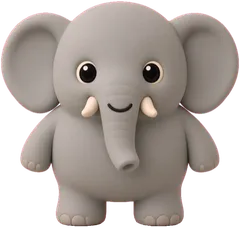
Research on early language points to the same pattern parents see at home: toddlers grasp size words faster when they hear them while looking at a clear contrast. “This elephant is big. This chick is little.” Two examples beat a long explanation.
Sorting games make that contrast physical. Moving a big animal to a big house and a little animal to a little house turns the words into an action.
Everyday practice that works
- Use the words as labels. “Big cup” and “little cup” during meals.
- Compare pairs only. Too many sizes at once muddies the idea.
- Sort toys together. Blocks, stuffed animals, and spoons all work.
- Play a short digital round. Big and Little cheers the size words as each animal finds a house.
- Connect to other matching. After size feels easy, try Animal Homes or Color Train for a new sorting rule.
What not to worry about
Mixing up big and little for a while is normal. So is preferring one word. Keep modeling, keep comparing, and avoid turning every moment into a quiz. Confidence grows when wrong guesses can be fixed without drama—the same design used in Waddli’s sorting games.
A gentle next step
If your toddler enjoys size sorting, browse more counting and number games or easy puzzles, or sit together for one round of Big and Little and name each animal as it goes home.